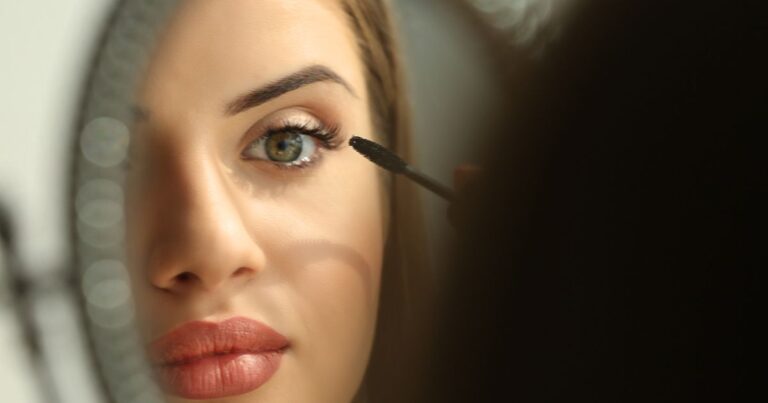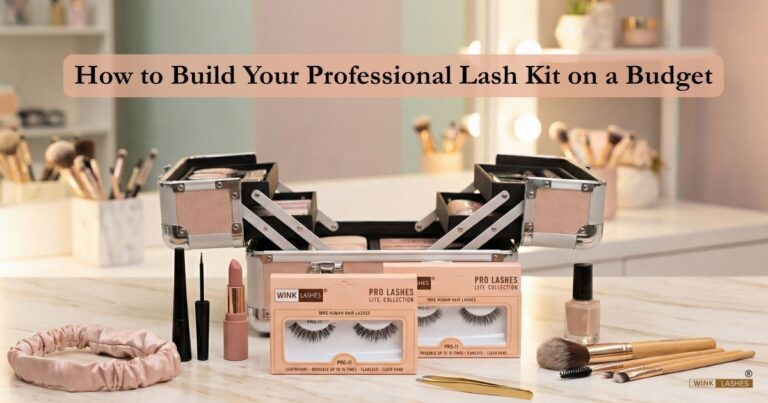
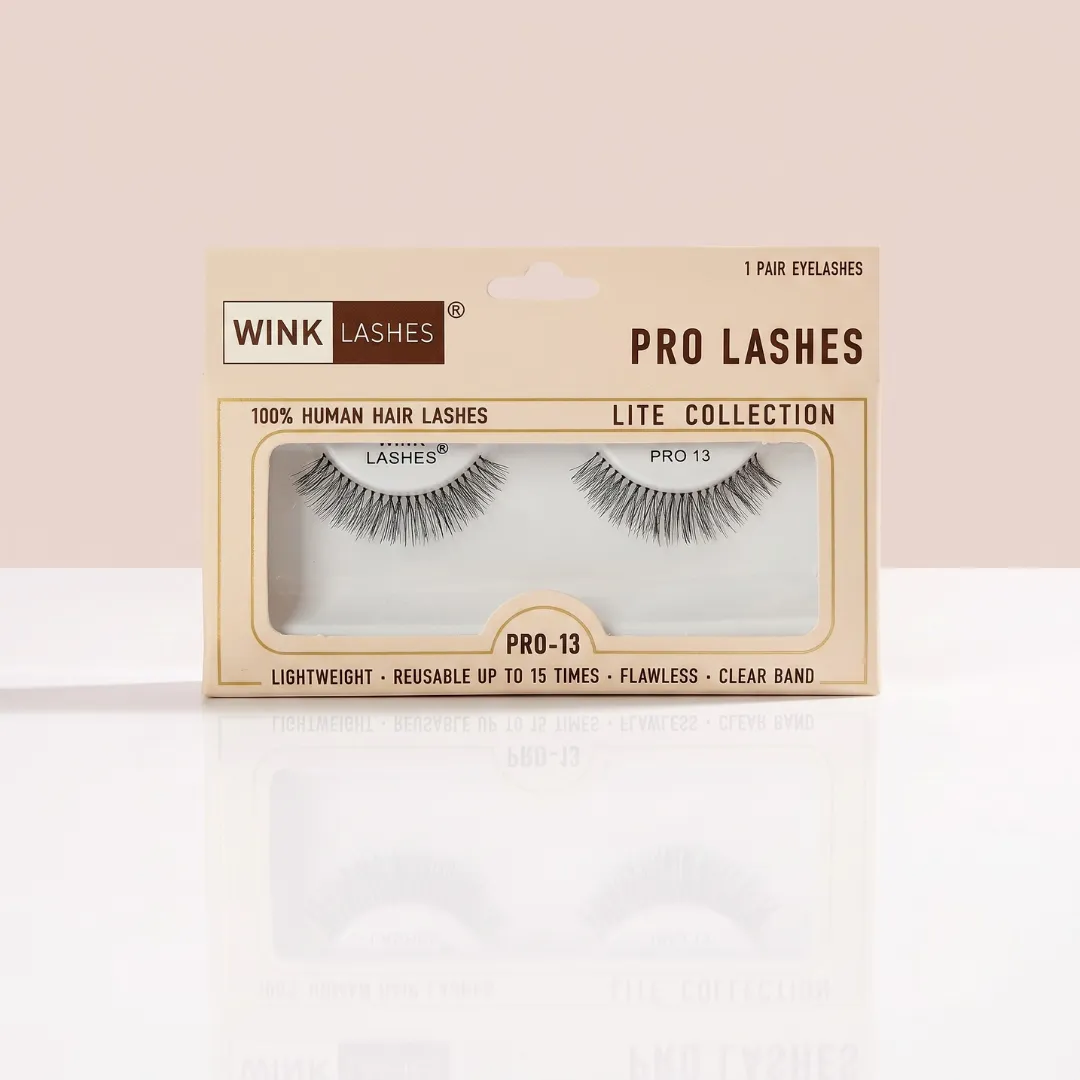

False eyelashes have been a fixture in luxury beauty for decades. From bridal mornings to black-tie evenings, a well-chosen pair completes a look in seconds. Yet the question that stops many women before they even open the box remains the same: can false eyelashes damage natural lashes? The answer depends almost entirely on what you buy and how you use it.
The Short Answer
False eyelashes do not damage natural lashes when applied and removed correctly. The real culprits are heavy bands, low-quality glue, and rough removal technique. Lightweight, handcrafted lashes like Wink Lashes, constructed with ultra-thin flexible bands and human hair fibres, significantly reduce any risk of irritation or lash loss. The lash itself is rarely the problem. The habits around it usually are.
4 Reasons Cheap Lashes Can Damage Natural Lashes
Not all false lashes are created with the same standards. Budget options cut corners in ways that your natural lashes eventually pay for. Here are the four most common causes of lash damage linked directly to low-quality products.
- Heavy bands pulling at lash roots: A thick, rigid band sits unevenly on the lashline and creates tension at the root of your natural lashes throughout the day. Over repeated use, that tension weakens the follicle and leads to breakage. A band that does not flex with your eye movement is working against your lashes, not with them.
- Low-quality glue causing allergic reactions: Cheap lash adhesives frequently contain formaldehyde-based compounds and synthetic latex that trigger contact dermatitis and lid inflammation. A swollen, irritated lash line is not just uncomfortable. Persistent inflammation directly disrupts the natural lash growth cycle and can cause premature shedding.
- Thick synthetic fibres weighing down natural lashes: Heavy synthetic lashes pull your natural lashes downward under their own weight. Over time, that consistent downward drag strains the lash shaft and root. Fine, lightweight fibres that move in sync with your natural lashes eliminate this problem entirely.
- Rough removal technique: Pulling lashes off without loosening the adhesive first is one of the fastest ways to remove your own lashes along with the falsies. Even a single rough removal can pull out multiple natural lashes at once, and repeated trauma causes bald patches that take months to recover.
How Wink Lashes Are Designed to Protect Your Natural Lashes
Every design decision behind the Wink Lashes collection connects directly to lash safety. The construction is not just about aesthetics. It is about what happens to your natural lashes during and after wear.
The ultra-thin, flexible band used across all Wink Lashes collections sits flush against the lashline without creating root stress. Because the band moves with your eye rather than against it, there is no pulling sensation throughout the day, even during long events like wedding ceremonies or corporate functions that stretch across eight to ten hours.
The ultra-lightweight construction means your natural lashes carry no additional downward load. There is no fatigue, no shaft strain, and no root tension. For women who wear lashes regularly, this distinction separates a product that supports lash health from one that slowly compromises it.
Human hair fibres used in Wink Lashes collections match the natural movement, texture, and light reflection of your own lashes. Unlike stiff synthetic alternatives, human hair fibres do not create friction or pull against your natural lashes when you blink, which adds up to thousands of micro-movements across a single day of wear.
Because Wink Lashes are beginner-friendly in their application, less glue is needed to achieve a secure hold. Less adhesive on the lashline means less residue to remove, and less removal effort means significantly lower risk of accidental lash loss during the process.
How to Remove False Lashes Without Damaging Natural Lashes
Removal is where most lash damage actually happens. A careful, unhurried process protects both your natural lashes and the false pair for reuse. Follow these steps every time.
- Step 1: Never pull lashes directly off a dry lashline. Soak a cotton pad with micellar water or a gentle oil-based cleanser and press it against the lash band for twenty to thirty seconds. This loosens the adhesive bond without any force.
- Step 2: Starting from the outer corner, gently lift the band inward using your fingertip or a pair of flat-tipped tweezers. Work slowly and never tug. If resistance is felt, apply more micellar water and wait again.
- Step 3: Once the lashes are off, use tweezers to peel dried glue residue away from the band. Clean the lash carefully with a cotton swab dipped in micellar water before storing back in the tray.
- Step 4: Apply a small amount of nourishing eye cream or a lash conditioning serum along your lashline after removal. The skin around the eye is delicate and benefits from moisture restoration after a full day of adhesive contact.
Are Wink Lashes Safe for Daily Wear?
Wink Lashes are constructed for regular, repeated wear and the materials reflect that. For women who reach for their lashes multiple times a week, the lightweight build and natural fibre composition make daily use far more sustainable than it would be with heavier alternatives.
That said, giving your lashline a rest one to two days each week supports long-term lash health. Skin needs time to breathe, and even the gentlest adhesive benefits from a break in routine. On rest days, a lengthening mascara on your natural lashes keeps the look polished without any added weight or adhesive.
Always use a reputable lash adhesive that is free from formaldehyde and latex. The quality of the glue matters as much as the quality of the lash. Clean your Wink Lashes after every single use to prevent bacteria buildup on the band, which is a common but overlooked cause of eye irritation in frequent lash wearers.
Women with sensitive eyes or a history of contact allergies should do a patch test with any new adhesive before a high-stakes event. Apply a small amount to the inner wrist twenty-four hours in advance and monitor for any reaction before use near the eye area.
FAQs on False Lash Safety
Q1: Can false eyelashes cause natural lash loss?
Yes, but only when removed roughly or worn with heavy, low-quality bands. Proper removal technique and lightweight lashes like Wink Lashes keep natural lashes completely intact across repeated use without any follicle disruption.
Q2: How long is it safe to wear false eyelashes?
Eight to twelve hours is a comfortable and safe window for most women. Beyond that, adhesive begins to break down and the lashline benefits from a break. Remove lashes before sleeping to avoid unnecessary overnight stress on lash roots.
Q3: Are mink lashes safe for sensitive eyes?
Yes. Mink fibres are naturally soft, lightweight, and hypoallergenic in construction. They cause significantly less irritation than synthetic alternatives. Pair with a latex-free adhesive for the safest possible experience for sensitive or reactive eyes.
Q4: Is false eyelash glue harmful?
Low-quality glues containing formaldehyde or synthetic latex can cause allergic reactions and inflammation. Always choose a dermatologist-tested, formaldehyde-free adhesive. Reading the ingredient list before purchase protects both your eye health and your natural lashes.
Q5: Can I wear false lashes every day?
With lightweight, quality lashes and proper removal, daily wear is manageable. However, giving your lashline one to two rest days per week, using quality glue, and cleaning lashes after every use ensures long-term lash health without compromise.